
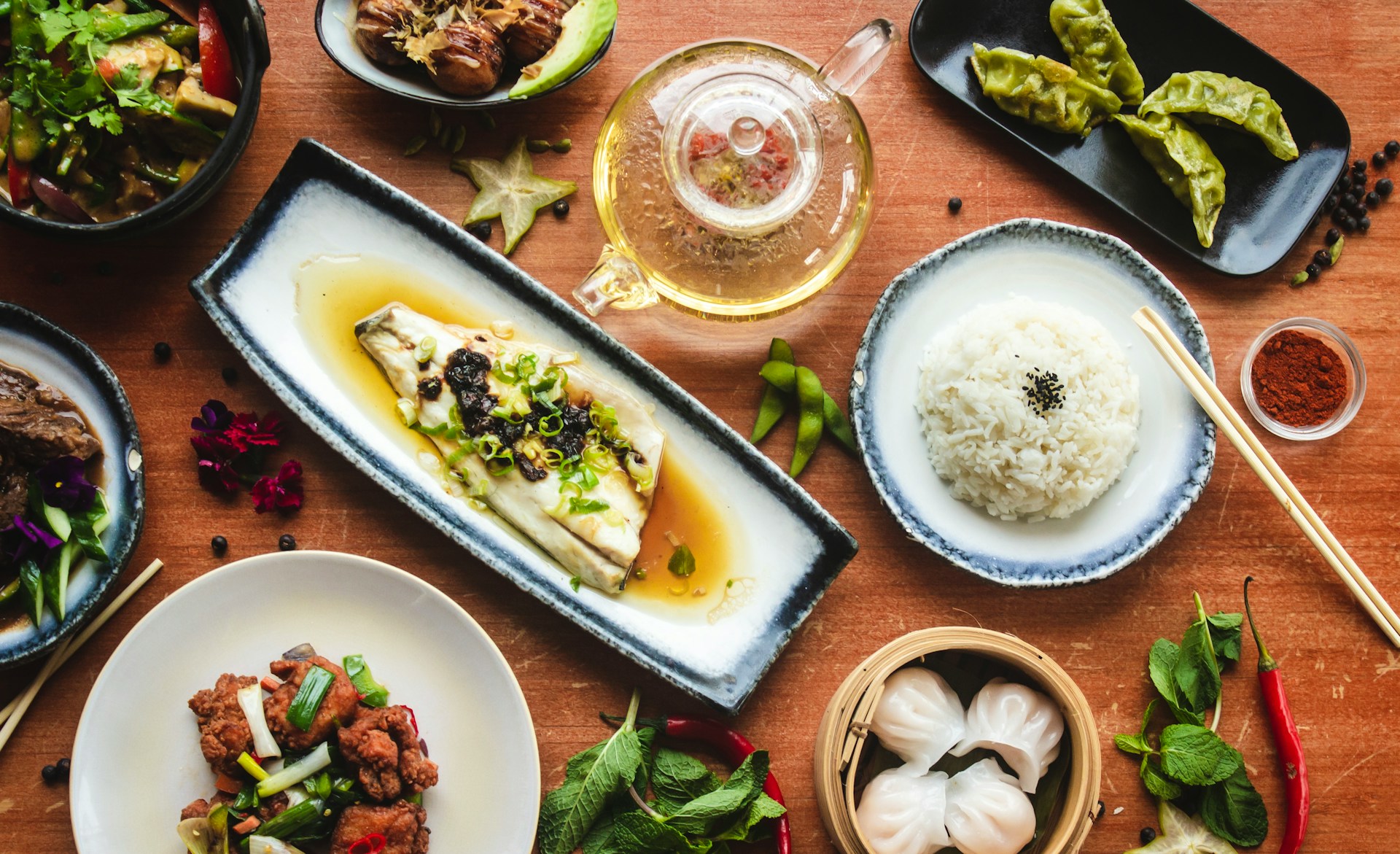
Sushi, the iconic Japanese culinary art, has captivated taste buds worldwide with its delicate flavors, meticulous presentation, and harmonious balance of ingredients. While sushi may appear simple at first glance, crafting it requires skill, precision, and understanding of textures and flavors. From classic nigiri to creative rolls, sushi offers endless possibilities for both beginners and seasoned enthusiasts. This guide will introduce you to the essentials of sushi, including types, ingredients, preparation techniques, and tips for enjoying sushi like a true connoisseur.
1. Understanding Sushi: What Makes It Special
Sushi is not just raw fish on rice; it is a combination of high-quality ingredients, precise technique, and aesthetic presentation. The foundation of sushi lies in three key elements:
- Sushi Rice (Shari)
Sushi rice is short-grain Japanese rice seasoned with rice vinegar, sugar, and salt. Properly prepared rice is slightly sticky, glossy, and fragrant, providing the perfect base for toppings. - Fish and Other Toppings (Neta)
Traditional sushi uses fresh fish, seafood, or vegetables. The quality of the topping is critical, as it is the centerpiece of flavor. - Presentation and Balance
Japanese sushi emphasizes harmony in taste, color, and arrangement. Each piece should balance rice, topping, and seasonings, providing a visually appealing and satisfying bite.
2. Essential Ingredients for Beginners
To start making sushi at home, you will need some basic ingredients:
- Sushi Rice: Short-grain Japanese rice
- Rice Vinegar, Sugar, and Salt: For seasoning the rice
- Nori (Seaweed Sheets): Used for rolls
- Fresh Fish: Tuna, salmon, yellowtail, or shrimp (sushi-grade)
- Vegetables: Cucumber, avocado, carrots
- Condiments: Soy sauce, wasabi, pickled ginger
Tip: Always use sushi-grade fish for raw preparations, and keep ingredients cold to maintain freshness and food safety.
3. Preparing Sushi Rice
Perfect sushi begins with perfectly cooked rice. Here is a step-by-step guide:
- Rinse the Rice
Rinse short-grain rice under cold water until the water runs clear. This removes excess starch and prevents clumping. - Cook the Rice
Use a rice cooker or pot, adding a 1:1.1 ratio of rice to water for slightly sticky rice. - Season the Rice
While the rice is hot, gently fold in a mixture of rice vinegar, sugar, and salt. Avoid stirring vigorously to maintain the rice’s texture. - Cool the Rice
Let the rice cool to body temperature before shaping it for sushi. Using a fan can give the rice a glossy finish.
4. Nigiri Sushi: The Art of Hand-Pressed Sushi
Nigiri (hand-pressed sushi) is one of the simplest yet most refined types of sushi. It consists of a small mound of rice topped with a slice of fish or seafood.
Step-by-Step Nigiri Preparation:
- Shape the Rice
With wet hands, gently form rice into a small oval mound, about 2–3 tablespoons. - Add Topping
Place a slice of fish or cooked shrimp on top of the rice. - Optional Binding
Sometimes a thin strip of nori is used to secure the topping. - Serving
Nigiri is often garnished with a tiny dab of wasabi between rice and fish or lightly brushed with soy sauce.
Popular Nigiri Toppings:
- Tuna (Maguro)
- Salmon (Sake)
- Shrimp (Ebi)
- Yellowtail (Hamachi)
- Tamago (Sweet Egg Omelet)
Tip: Handle rice gently to keep it intact, and use a sharp knife for precise fish slices.
5. Maki Sushi: Rolls for Beginners
Maki sushi is rolled sushi using nori, rice, and fillings. It is versatile and beginner-friendly.
Basic Maki Roll Steps:
- Prepare the Bamboo Mat
Place a bamboo rolling mat (makisu) on a clean surface and cover it with plastic wrap for easy cleaning. - Place Nori
Lay a nori sheet shiny side down on the mat. - Spread Rice
Evenly spread a thin layer of sushi rice, leaving 1–2 cm at the top edge. - Add Fillings
Place cucumber, avocado, fish, or crab sticks along the bottom edge. - Roll
Lift the bamboo mat and roll tightly, pressing gently to form a cylinder. - Slice
Use a sharp, wet knife to cut the roll into 6–8 pieces.
Popular Maki Rolls:
- California Roll: Crab, avocado, cucumber
- Spicy Tuna Roll: Tuna, spicy mayo, cucumber
- Vegetable Roll: Cucumber, carrot, avocado
- Philadelphia Roll: Salmon, cream cheese, cucumber
Tip: Keep your hands and knife wet to prevent sticking, and roll evenly for uniform slices.
6. Specialty Rolls and Fusion Sushi
Beyond traditional nigiri and maki, sushi chefs often create specialty or fusion rolls. These can combine ingredients from different cuisines:
- Tempura Rolls: Fried shrimp or vegetables rolled with rice and nori.
- Dragon Roll: Eel, cucumber, avocado, and tobiko (fish roe) on top.
- Rainbow Roll: California roll base topped with assorted fish slices.
Fusion rolls often allow beginners to experiment with flavors and textures, balancing creamy, crunchy, and fresh elements.
7. Sushi Etiquette and Tips
- Using Soy Sauce
Dip the fish side lightly into soy sauce, not the rice, to avoid soaking the rice. - Eating Nigiri
Use chopsticks or hands; nigiri is traditionally eaten in one bite. - Wasabi and Ginger
Use wasabi sparingly. Pickled ginger is eaten between pieces to cleanse the palate. - Presentation
Arrange sushi neatly on a platter. Garnish with shiso leaves or edible flowers for visual appeal. - Storage and Freshness
Sushi is best enjoyed immediately. If storing, keep chilled and consume within a few hours.
8. Sushi for Home Cooking
Learning sushi at home can be rewarding and fun. Some tips for beginners:
- Start with cooked fillings like crab sticks, shrimp, or tamago for safety.
- Practice rolling with vegetables before using raw fish.
- Invest in a bamboo rolling mat and a sharp knife.
- Watch video tutorials to understand hand movements and rice shaping.
Cooking sushi at home allows for creativity, from classic Japanese flavors to modern fusion combinations.
9. Health and Nutritional Benefits
Sushi can be a healthy choice when prepared mindfully:
- High in protein from fish and eggs.
- Rich in omega-3 fatty acids from fatty fish like salmon and tuna.
- Low in saturated fats when avoiding fried rolls.
- Includes vegetables and seaweed for fiber and micronutrients.
However, moderation is key, particularly with soy sauce (sodium) and mayonnaise-based sauces.
Sushi is both an art and a culinary experience. For beginners, understanding the fundamentals—sushi rice, fresh toppings, and basic techniques—is essential. Starting with nigiri and simple rolls builds confidence, and over time, one can experiment with specialty and fusion rolls. Beyond taste, sushi embodies Japanese principles of balance, precision, and aesthetic presentation. Whether enjoyed at a restaurant or crafted at home, sushi offers a delightful journey into Japanese cuisine and culture.